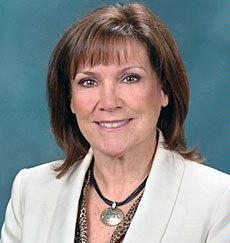
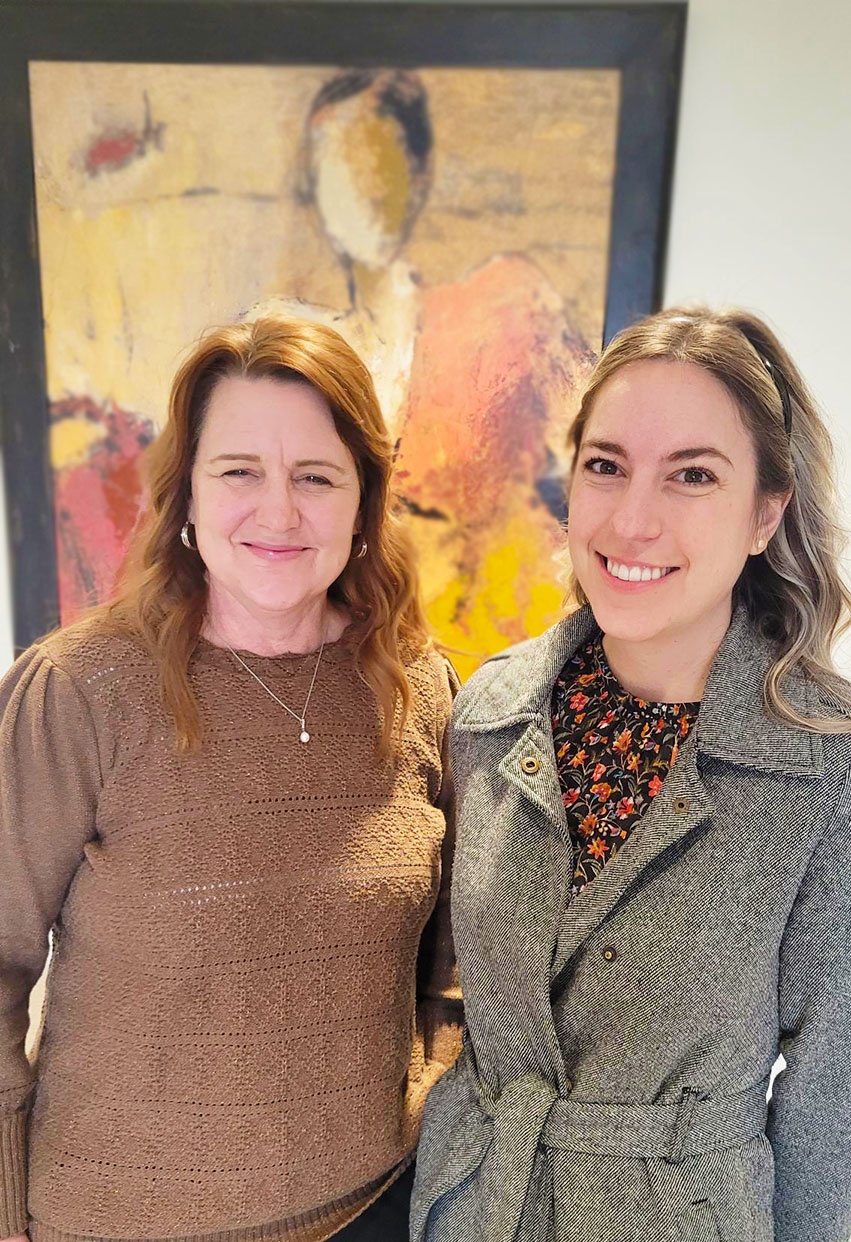
We are excited to introduce two new additions to the CAPSA board, Shauna Karren and Lindsay Kirby. These dedicated individuals bring a wealth of experience and perspective that will greatly benefit our organization and contribute to our continued growth and success.
Shauna Karren is an experienced professional with a background in employee training and human resources. With over seven years at Utah State University and nearly 16 years at Conservice, she has a proven track record of building and leading successful programs. Her passion for providing resources to individuals who have experienced abuse, led to the formation of the CAPSA-Conservice partnership. Through this partnership we provide trainings to employees, have signage throughout their building, and are equipped to provide a confidential on-site response to support survivors. With a Bachelor’s degree in business management and a Master’s degree in instructional design, Shauna brings a wealth of expertise and knowledge to the board.
Lindsay Kirby is a proud wife, mother, and dedicated community leader. With a background in the financial industry and her own business, Kirby Creative Accounting, she has a lot of experience and a commitment to giving back. She and her husband became home sponsors for CAPSA in memory of her father-in-law, who passed away from cancer in 2019. Lindsay is eager to continue serving the Cache Valley community through her involvement with CAPSA.
We are grateful for the support of our board members, who play a critical role in helping us to make a positive impact in the lives of those we serve. The work we do is life-changing and is made possible by this support and leadership.
Thank you Lindsay and Shauna, and welcome to CAPSA’s board!
In recent communications, I have shared the steps CAPSA has taken to ensure the safety of our staff and clients all while implementing new tools and processes to continue delivering essential life-saving services.
We know domestic violence has increased during this crisis; with social distancing, many victims are now trapped with their abusers and increased fear and anxiety often trigger escalated abuse. Although we are a nonprofit these changes have incurred significant costs, such as implemented technology and expanded services to ensure individuals and families have a safe place to escape abuse and are able to heal from the associated trauma.
Today I want to share a few stories of those we are serving during this crisis.
THERE IS STILL PROTECTION
A client who recently escaped a very scary relationship approached CAPSA for help. CAPSA met with her via a telehealth like service; through this web tool, our expert caseworker was able to help with safety planning, complete a protective order and submit the protective order online.
Due to changes in court processes, her court hearing was over the phone. This client called her caseworker after and said, “I am actually thankful for the coronavirus. I am not sure I would have had the courage to stand in the same courtroom as my abuser.”
Her protective order was awarded. CAPSA will continue to support her via web and phone meetings. We cannot do this work without your support.
THE GIFT OF A SAFE PLACE
CAPSA’s emergency shelter is for individuals and families who become homeless to escape domestic violence. To increase social distancing and reduce shared spaces, CAPSA has changed our onsite shelter capacity and is utilizing hotels and other offsite shelter options – CAPSA continues our zero turn away policy to qualifying individuals.
To provide a safe space for a client, we placed them in a hotel for several days until there was room in our onsite shelter. Here is her description of entering shelter:
“I never could have imagined that I would be able to feel safe and integrated again in my life. This [shelter] environment is so welcoming and supportive. This was the first time since the abuse began that I was able to sleep without nightmares. When I was shown my room, I saw a “care packet” on my bed; I cried and cried because I felt so blessed. It was such a good feeling after so long of being in crisis mode!”
She had a safe place because of your support.
HELP EVEN DURING A CRISIS
For the last year, CAPSA has supported a client with casework, court advocacy and clinical therapy services. She came to CAPSA because her husband was extremely emotionally and sexually abusive. COVID-19 has been extremely challenging because of the general anxiety and increased responsibilities of working from home, homeschooling and her ex-husband using the pandemic as a way to manipulate court ordered parent time.
CAPSA’s ability to continue offering online therapy has been extremely useful to help her feel supported. She told her therapist, “thank you… it’s so helpful to continue to have some outside perspective with all of this going on.” While her stressors have increased, because of your support, she has continued to make progress on managing anxiety and feeling peace.
With your help, she has access to quality, FREE clinical therapy.
WE NEED YOUR SUPPORT
These clients only had support because of you and supporters like you.
We cannot perform this work without community support during normal time, let alone during a global pandemic. With the increased demand for services, the additional cost to provide those services and the reduction in donations and revenue, we need your support now more than ever. We are projecting a $150,000+ shortage over the next 12 months.
If you are in a position to donate at any level – please go to www.capsa.org/donate This money will support essential services.
Thank you for your support,
Jill W. Anderson
CAPSA| Executive Director
https://www.capsa.org/wp-content/uploads/2020/05/Letter-From-Jill2.jpg6061500Maddie Sotohttps://www.capsa.org/wp-content/uploads/2023/04/capsaLogo.pngMaddie Soto2020-05-04 14:36:572020-11-10 14:24:12Update about COVID-19
Today CAPSA, The Dell Loy Hansen Family Foundation and Altabank planned on hosting a CELEBRATION and ANNOUNCEMENT media event. Although we had to cancel this event due to COVID-19, we still wanted to share the news and celebrate at a distance.
SAFE HOMES – CAPSA’S HOUSING PROGRAM
For individuals and families escaping abuse, a safe home is important to the healing process; this is why CAPSA offers multiple housing programs for our clients. The primary program combines rent subsidies with educational workgroups and case management. Families find housing in our community and are able to remain in this program for up to two years as they work towards independence.
Many clients may not qualify for community based housing because of lack of job history, credit damage by abuse or other reasons; therefore, in 2015, CAPSA built Independence Place, a nine home neighborhood. This is the only neighborhood owned by a nonprofit domestic violence service center in Utah. This neighborhood provides a safety net for families who struggle to secure housing. Families in Independence Place participate in the same transitional housing program and can also stay in these homes for up to two years.
CELEBRATION – HOME AND FAMILY SPONSORS
CAPSA’s transitional housing program averages over 30 families – the average annual rent subsidies are $6,000 per family per year. Working with Altabank, CAPSA created a home and family sponsorship program in which organizations and donors sponsor a home and family by covering this annual housing cost.
Altabank was our first sponsor and their vision has led to the following sponsors:
We want to thank all of our sponsors for their support of CAPSA and Safe Homes.
When we started this program, our goal was to obtain nine sponsors; we reached that goal earlier this year. This program now generates more than $50,000 per year supporting CAPSA’s housing program and other core services.
Although you may have already seen the media’s coverage on the opening of the fourplex, we had planned to announce it at this event. This fourplex is CAPSA’s newest extension to our transitional housing program.
The Dell Loy Hansen Family Foundation purchased a fourplex earlier this year for CAPSA’s exclusive use for our transitional housing program. The property was in need of major repairs, so the Real Salt Lake (RSL) Foundation donated $60,000 to completely renovate these homes. They were scheduled to be completed in late April.
However, due to the COVID-19 public crisis, CAPSA needed more emergency shelter space to accommodate the social distancing precautions and increased demand for shelter. In response to the crisis concerns, the RSL Foundation worked with the contractors on this project to finalize and open these units almost a month early.
During this crisis, CAPSA will utilize these units for a combination of emergency shelter and transitional housing.
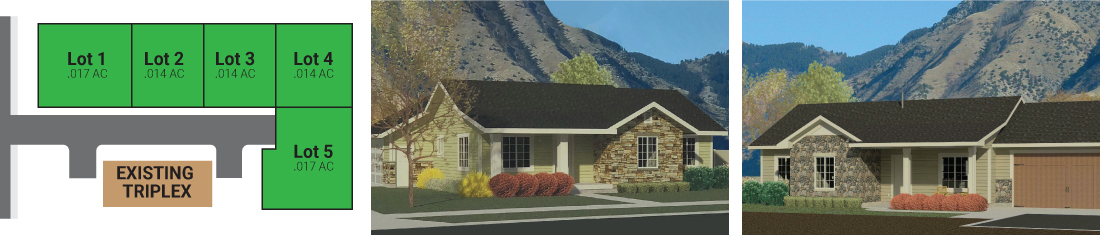
Lastly, CAPSA is excited to announce that we are in the process of building a second neighborhood called Independence Way. We plan to finish this project later this year.
The need for affordable housing is essential in helping our clients. CAPSA had the opportunity to purchase a planned neighborhood development which includes an existing triplex and five building lots. The total cost for this project is $1.8 million. We are excited to report that this project is 100 percent funded.
We want to highlight the major contributors to this project:
We also had several individual donors that contributed to Independence Way.
Thank you to everyone who supported this project to ensure safe homes for our clients.
We wish we could have shared and celebrated the announcements of these amazing projects with you in person. It is only because of your support that we’re able to accomplish this work – thank you!
https://www.capsa.org/wp-content/uploads/2020/04/Featured-Image2b.jpg4611100Maddie Sotohttps://www.capsa.org/wp-content/uploads/2023/04/capsaLogo.pngMaddie Soto2020-04-05 07:36:182023-05-26 12:15:15Housing CELEBRATION and ANNOUNCEMENT
I want to start by thanking the entire community for an outpouring of support. As a CAPSA supporter, you recognize how domestic violence and sexual abuse support services are even more critical during a public crisis.
While many nonprofits have reduced services during this public crisis, CAPSA has been ramping up services. I’d like to provide you an update on how.
INCREASED NEED FOR CAPSA
During a public crisis, there is an increased need for CAPSA’s domestic violence and rape support services. With social distancing, many victims are now trapped with their abusers, and increased fear and anxiety often trigger escalated abuse.
Here are some national news reports that demonstrate these concerns:
CAPSA is committed to providing all of our core support services while ensuring the safety of our staff – this is true now more than ever. CAPSA’s core services include casework, safety planning, rape exam advocacy, protective order support, legal reporting assistance, clinical therapy and emergency shelter.
How we provide services has and will change some, but the resources, expertise and support CAPSA provides will continue.
USING TECHNOLOGY
In the last two weeks, CAPSA has implemented technology and created procedures to move all casework and clinical therapy to phone and online sessions. CAPSA is utilizing Microsoft Teams to provide encrypted video conferences which meet Tier-D security standards and are protected by the same level of confidentiality as face-to-face meetings.
We have been in contact will all current clients, and the transition to online meetings has been smooth.
Most new clients initiate contact with CAPSA through our 24/7 support phone line at 435-753-2500. During these calls, we assess their safety and start providing case management; the only difference is their follow-up casework will be online or via phone. If we determine they are in immediate danger and emergency shelter is needed, our emergency shelter is still open, though we are established additional processes shared below.
RAPE EXAM ADVOCACY
One exception to moving services online is rape exam advocacy.
We will continue to send a caseworker to the hospital for all rape exams to ensure the client’s rights are honored and to connect them with CAPSA’s services. Follow-up services increase x1,000 when we connect with the individual before the rape exam. Cache Valley Hospital will provide the appropriate protective gear when we are on site.
SHELTER PROCEDURES
In regards to our emergency shelter, we are setting up quarantine and distancing processes. This is a significant undertaking as we operate a homeless shelter for domestic violence survivors.
Currently, our emergency shelter is full; as clients move out we will reduce the maximum number of shelter clients from 32 to 16 to increase distancing and reduce shared common space, including shared bathrooms. We are currently working on other off-site shelter options to increase capacity back to 32 individuals; here is an early story: https://www.facebook.com/172756986111825/posts/2761754623878702/?d=n More to come soon.
All new shelter clients will be placed in a hotel for up to seven days for isolation and observation of symptoms prior to allowing them in our onsite shelter. While at the hotel, if they start showing symptoms, they will maintain isolation for an additional 14 days. After this quarantine period, if we have the space, we will move clients into the shelter.
This isolation protocol has already been put to use, as we have placed a new shelter client in a hotel room for quarantine. This will be expensive, but we feel it is necessary to keep our staff and other clients safe and healthy. This is the type of initiative you support when you donate to CAPSA.
ASK FOR HELP
I would ask you and our community to help share CAPSA’s message and donate to ensure core programs remain available to those needing assistance.
A simple method to share CAPSA’s message is to follow CAPSA on Facebook and to like, share and comment on our posts. There are people in your social network that need to view this message.
You can also help by donating to CAPSA. You can make a donation online at www.capsa.org/donate or by mail at PO Box 3617, Logan UT 84323.
You can also create a Facebook Fundraiser for CAPSA and encourage your friends and family to donate; Facebook fundraisers are easy to set up at www.FB.com/pg/CAPSAservices/fundraisers.
Thank you for your continued support. We cannot do this work without you and need your support now more than ever.
Jill Anderson
CAPSA | Executive Director
https://www.capsa.org/wp-content/uploads/2020/03/90721929_2761873317200166_4798609205672017920_o.jpg400960Maddie Sotohttps://www.capsa.org/wp-content/uploads/2023/04/capsaLogo.pngMaddie Soto2020-03-25 11:32:552020-11-10 14:24:24COVID-19 Update from Jill
CAPSA was founded and continues to be built by amazing women. With International Women’s Day, we would like to recognize and thank just a few.
JENNY BOX
Jenny Box was one of the founders and a continued friend of CAPSA. CAPSA was founded after two high-profile rape cases occurred on Utah State University’s campus. A group of students, staff and community members (including Jenny) came together to create the Cache Valley Rape Crisis Team.
Shortly after the founding of the Rape Crisis Line, law enforcement began referring domestic violence victims to use this support phone line. Jenny recognized the needs for these women were different, including the need for somewhere safe to escape abuse – Jenny committed her home to be the first CAPSA shelter. Imagine housing women and children fleeing abuse in your own home. This was a true act of charity.
Jenny continues to support CASPA over the years including serving as a board member, donor and ambassador. Jenny helped establish CAPSA by raising funds to buy our first shelter and establish CAPSA as an official nonprofit. Because of her early leadership and continued support, CAPSA has grown to be considered Utah’s premiere domestic violence, sexual abuse and rape recovery center.
Jenny has been a cornerstone of our organization. To honor her service and amazing charity, CAPSA will be installing a permanent cornerstone honoring Jenny in our building expansion which will begin construction later this year.
JAN MILLER
Jan Miller was the founder of Stander: Be Independent. As Stander’s “Fearless Leader”, Jan positioned Stander as the industry leader in accessibility products, but probably more important to her was Stander’s culture of doing what is right, creating partnerships, and helping others stand tall.
Jan served on the CAPSA board from 2006 through 2018 and was passionate about helping empower survivors of domestic violence to become independent. During her service, Jan served as board president, housing committee chair, and historian. Jan lead efforts to build Independence Place (a CAPSA owned neighborhood of nine homes), establish an endowment, supported expanded therapy, and create the zero turn away fund. For the zero turn away, Jan committed her company to be the first to do payroll deductions and because of her support CAPSA’s shelter has not turned away any local family displaced by domestic violence since 2016.
Jan passed on June 3, 2018. CAPSA has renamed our annual golf tournament to the Jan Miller Memorial Golf tournament to honor her support and passion of CAPSA.
MARY PALLEY
Mary gave her time, passion, and money to protect and empower individuals impacted by domestic violence and sexual abuse. CAPSA in many ways stands as a legacy of Mary’s work. Her influence is seen and felt throughout CAPSA.
Mary was a retired attorney and passionate advocate, and she served on CAPSA’s Board of Trustees for over 26 years. As an attorney, Mary provided countless hours of free legal advocacy to survivors of domestic and sexual violence, working selflessly to promote safety as she helped survivors navigate the court process and obtain protective orders.
Mary worked with CAPSA to develop and fund transitional housing, dedicated in name to her grandchildren, to ensure survivors and their children have access to safety and supportive services.
Mary was taken for this world on March 11, 2016. In remembrance of her, CAPSA has named the Children’s Center the Mary Flynn Palley Children’s Center.
JILL ANDERSON
Jill Anderson is the current Executive Director of CAPSA and has started this role in 1997. Through Jill’s vision and inspired leadership, CAPSA has grown from a one-home shelter to a full organization providing comprehensive services that meet the complex needs of survivors. In addition to spearheading facility expansion, including building a new victim support center, shelter, and a transitional housing subdivision (Independence Place), a second neighborhood (Independence Way), Jill has enhanced programs and expanded the capacity of CAPSA to provide critical 24-hour services, shelter, therapy, and housing for survivors. Over 300 men, women, and children find safety in CAPSA’s shelter each year and over 1,500 others receive advocacy, therapy, and support services.
Jill began her career working with at-risk youth at the Cache County Juvenile Detention Center and at Bear River Mental Health. It was during her time volunteering for CAPSA that she quickly became passionate about working with survivors of domestic and sexual violence. She was inspired by the work CAPSA was doing and the positive impact it had on the lives of women and children fleeing violence and abuse. Her commitment grew during her volunteer work at the shelter where she witnessed a great deal of strength, courage, and hope in the families she helped. Since that time, she has dedicated more than 25 years to serving survivors and working to prevent abuse from happening in our community.
We are grateful for Jill’s vision and leadership. Her work has positively impacted thousands of women in our community.
These above women are only a few who have made lasting impacts to CAPSA. CAPSA is grateful for the hundreds of other women who support CAPSA and our clients. This includes the many staff, volunteers, board members, donors and supporters. We could not do this work without amazing women.
https://www.capsa.org/wp-content/uploads/2020/03/FB.jpg5191200Maddie Sotohttps://www.capsa.org/wp-content/uploads/2023/04/capsaLogo.pngMaddie Soto2020-03-08 09:59:512020-03-08 09:59:51International Women’s Day
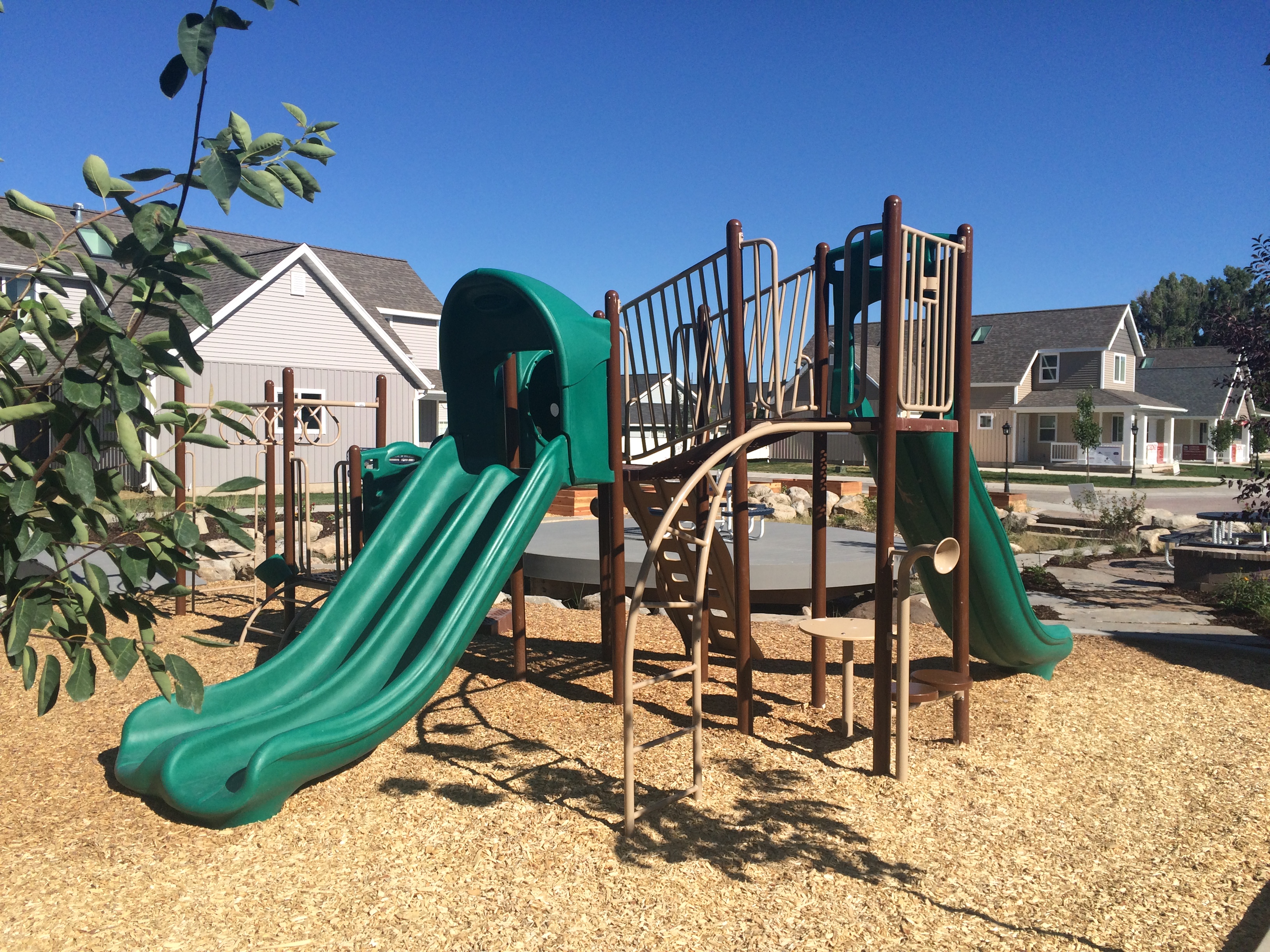
CAPSA is excited to announce Fight Against Domestic Violence, an international foundation based out of Salt Lake City, will be sponsoring the playground in Independence Place for $6,000 per year.
Background
Independence Place, a neighborhood owned and operated by CAPSA, is made up of nine single family homes, a playground, and a neighborhood garden. Part of a larger transitional housing program, Independence Place allows for more flexibility to support families who may not qualify for other housing opportunities. While in CAPSA’s Transitional Housing Program, participants receive housing assistance and continue to work with CAPSA staff for up to two years as they work on life assets.
CAPSA is the first and only nonprofit domestic violence shelter in Utah to build their own neighborhood. Independence Place is considered a flagship transitional housing program for the state of Utah.
“Our clients really start to heal once they are safe and have a place to call home. This is why finding housing is among the first priorities when families enter our emergency shelter,” stated Jill Anderson Executive Director of CAPSA. “The vision of Independence Place is to ensure CAPSA is always able to provide housing to our clients now and in the future. By owning our own housing, it allows us to help more of our clients and their families start new lives free from abuse.”
Independence Place broke ground in 2011 and was completed in 2015. The neighborhood was fully funded by private donations from foundations, businesses, and individuals including the George S. and Dolores Doré Eccles Foundation, the Sorenson Legacy Foundation, Wasatch Property Management Group, Conservice, Sports Academy, Riverwoods Conference Center, Schreiber, and many individual donors. Since 2015, CAPSA has been able to provide housing assistance and housing to an average of 30 families per year.
Independence Place Sponsorship
As a nonprofit, CAPSA relies on community support both financially and through direct support. The Independence Place sponsorship program accomplishes both by raising money to cover many of the neighborhood expenses and fund other outreach services and offset some maintenance cost. It is also to connect the community to CAPSA and demonstrates to our clients they are supported.
“The vision of this sponsorship program is more than just raising money. It is linking the community to CAPSA by giving them ownership in their sponsored home,” stated James Boyd Development Director at CAPSA. “We want these organizations to feel like these homes are their homes. We put their name of the home and give them multiple service project opportunities.”
The amount of $6,000 is the average cost for CAPSA to subsidize housing for our families.
“It is amazing to see how the healing really begins when a family is in a safe home. They begin on a path that changes generations,” stated Anderson. “$6,000 is really a small investment for this family and for our community. We are lucky to have great businesses in our community, and now across the state, who can see this vision and want to support this program and these families.”
Lewiston State Bank became the first home sponsor in January 2018. “This program does so much for our community, and we are happy to be a sponsor,” said Judd Austin, president of Lewiston State Bank. “The Bank takes pride in being an annual sponsor.”
Other businesses join Lewiston State Bank as an ongoing sponsor including Malouf Foundation, Icon Foundation, and MW Construction.
Fight Against Domestic Violence
Fight Against Domestic Violence (FADV) is committed to providing education, awareness, outreach, and resources to domestic violence victims and those who support them.
FADV’s Executive Director, Dr. Jessie Richards, is an Aggie and a long-time supporter of CAPSA and Cache Valley. “CAPSA is such an inspiration,” stated Richards. “It is one of the first shelters to implement a ‘zero-turn-away’ policy, which means it is constantly innovating new ways to support survivors.” Because of her relationship to Logan, FADV has also financially supported research on domestic violence at Utah State.
“CAPSA is a leading voice in Housing First policies, creating safe and stable environments for survivors. We want to be part of their innovation,” stated Brooke Muir, FADV’s Program Director. Muir, and Richards, along with Stephanie Buehner, FADV’s Outreach Director, chose to sponsor CAPSA’s playground at Independence Place starting in January of 2019. “We know how crucial it is for children to feel safe and happy while they are in transitional housing.” Stated Buehner. “That’s why this playground is so important to FADV and to the larger community.”
In addition to sponsoring projects such as the Independence Place playground, FADV provides funds to service providers all over the state. Over a million people each year will experience domestic violence in their lifetime. To provide the best care for victims/survivors, service providers rely on support from corporations and individuals, as federal funding does not fully meet many crisis needs. FADV works to fill those funding gaps by distributing unrestricted “Crisis Cash” grants and facilitating other donations and resources to help support survivors. To get involved, or to become a corporate partner making changing in our community, visit www.fadv.org or send an email to Stephanie@fadv.org.
CAPSA still sponsorship opportunities for four of the homes and the neighborhood garden. By becoming an annual sponsor of a home, an organization will receive signage one of CAPSA’s home, public recognition, and optional team building service opportunities. To secure your sponsorship please contact James Boyd at (435)753-2500 or james@capsa.org.
About
CAPSA is a Cache Valley nonprofit domestic violence, sexual abuse, and rape recovery center serving northern Utah. CAPSA provides trauma informed services including advocacy, emergency shelter, transitional housing, and clinical therapy for women, men, and adolescence impacted by abuse. All services are FREE and confidential. Please call our support line anytime at (435)753-2500 to speak with a trained advocate. Learn more about CAPSA at www.capsa.org.
Fight Against Domestic Violence (FADV) is a 501-c3 organization committed to providing education, awareness, outreach, and resources to domestic violence victims and those who support them. Learn more at www.fadv.org.
Contact
James Boyd, Development Director for CAPSA, james@capsa.org, 435-760-5277 (cell)
Jessie Richards, Executive Director for FADV, Jessie@fadv.org, 801-792-0543 (cell)
https://www.capsa.org/wp-content/uploads/2023/04/capsaLogo.png00Maddie Sotohttps://www.capsa.org/wp-content/uploads/2023/04/capsaLogo.pngMaddie Soto2019-01-24 11:29:092023-05-26 12:18:52Fight Against Domestic Violence will be sponsoring the playground in Independence Place for $6,000 per year
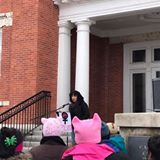
On January 20, CAPSA therapist, Vikki Salinas delivered the following speech to a crowd gathered for Logan Utah’s second annual Women’s March.
Hello! My name is Vikki Salinas, and I am a therapist who works at Citizens Against Physical and Sexual Abuse, or, CAPSA. I have worked with victims of domestic violence and sexual assault for more than a decade, but I learned about the Me Too movement, like many of you, just a few months ago. As the movement gained speed on social media, my first thought was what an excellent way to help others know they are not the only ones that have experienced sexual assault or rape. These two short words – me too – carry the weight of a centuries-long struggle to be seen. To be heard. To be understood. The pain of sexual assault and rape can be a burden too great to carry on our own, but these two short words say: “You are not alone in your experience, I hear you.” And women around the world have boldly shared these words and their stories, and with that, they have declared, enough is enough!
The activist Tarana Burke founded the Me Too movement 10 years ago. Before she started the movement Tarana was the program director for Brooklyn-based Girls for Gender Equity, and her main goal was to empower young women of color. In 1997, Tarana found herself sitting across from a 13-year-old girl who was explaining her experience with sexual assault. Tarana was left speechless, not even working up the courage to say the words Me Too. 10 years after that conversation is where the Me Too movement started. Tarana went on to create Just Be Inc., a non-profit organization that helps victims of sexual harassment and sexual assault. Tarana actively sought resources that were not readily available to her 10 years before and committed herself to helping people who had been abused.
Tarana did not intend for the Me Too movement to grow into what it is today, becoming the major social media campaign that it has now become. Tarana envisioned a social movement that takes a bold stance and empowers women and girls to proclaim, “I am not ashamed, I am not alone.” Me Too is a statement from survivor to survivor that says: “I see you, I hear you, I understand you.”
One thing I know from doing this work: survivors of sexual assault and rape want to be heard. They want to feel validated and safe. They want to know they can talk to someone and not feel pressured to make any one decision. When women are heard, they are empowered to take that next step, or finally close that chapter in their lives that has hurt them so badly. At CAPSA, we provide a safe environment free of judgment where a person can feel heard and know their experience is validated when we tell them “This wasn’t your fault.”
This is an exciting time in the struggle for gender equality. The mountain is steep, and the burden is great, but together we will reach the summit and look out on a world where instead of victims being blamed for what has happened to them or be made to feel ashamed of themselves they are encouraged and supported in their healing journey. Let us keep pressing forward, let us not lose the momentum we are experiencing. Let the Me Too movement not just be but a moment, but a movement. Tell those who are brave enough to share their stories of sexual assault that you hear them. You don’t have to walk in their shoes to feel their pain…you just have to walk beside them and tell them “I see you, I hear you, I understand you. And…I am with you.”
As individuals, there are many ways for us to work toward ending abuse within our communities; we can stop victim blaming. We can intervene if we feel an individual is being pressured into unwanted physical activity or if their significant other is ignoring or mistreating them. We can alert authorities when we hear whispers of abuse, or threats of individuals taking their lives or that of their children if a relationship ends. Another way we can end abuse, however, is to support our local leaders making a difference.
Two Utah politicians are constantly moving forward bills and amendments to further free and empower survivors of abuse. Angela Romero of the Utah House of Representatives and Todd Weiler of the Utah State Senate, are enacting laws that are making a difference.
Previous Laws
In 2015, Romero and Weiler introduced a bill defining what consent means. They proposed consent could not be given if an individual is incapacitated, and consent could not be given if the individual was unable, at the moment, to understand the consequences of their choice. The bill passed, and now these definitions of consent are used in Utah courts.
In 2017, Romero and Weiler introduced Sexual Assault Kit Processing Amendments. The bill required all sexual assault kits, except for those classified as restricted kits, to be tested and obtain DNA profiles. It also mandated that sexual assault kits be completed within a certain amount of time. The Department of Public Safety was given authority to implement a sexual assault kit tracking system, and the Department of Public Safety and the Utah Prosecution Council were required to provide training to law enforcement on how to respond to sexual assault cases. This bill passed and all provisions therein became effective on May 9, 2017.
Also in 2017, Romero and Weiler introduced Campus Advocate Confidentiality Amendments. This bill defined terms and made it clear who was responsible for reporting information in a case of domestic violence or sexual assault in a higher education setting.
Upcoming Bills
In 2018, Romero and Weiler are introducing the Domestic Violence, Dating Violence and Stalking Amendments. This bill proposes a cohabitant can be defined as an individual who, “is or was in a consensual sexual relationship with the other party.” By adding this definition, individuals who were not married or living together, but experienced abuse, can file for protective orders and seek safety within the courts.
The proposed bill also adds many responsibilities to law enforcement officers who are called to an abusive situation. The bill proposes, “A law enforcement officer who responds to an allegation of stalking shall use all reasonable means to protect the victim and prevent further violence including:… confiscating the weapon or weapons involved in the alleged stalking; making arrangements for the victim and any child to obtain emergency housing or shelter; providing protection while the victim removes essential personal effects; arranging, facilitating or providing for the victim and any child to obtain medical treatment; and arranging, facilitating, or providing the victim with immediate and adequate notice of the rights of the victims and of the remedies and services available to victims of stalking.”
The bill also requires victims of stalking be given a list of local shelters and directions on how and where to file a stalking injunction.
This bill will be discussed in the 2018 general legislative session, and a decision will likely be made in March 2018. We encourage each of you to let your representatives know you support Senate Bill 27, and we encourage you to reach out to Representative Romero and Senator Weiler and thank them for their work.
We can make a difference through our policies, laws and political involvement.
https://www.capsa.org/wp-content/uploads/2023/04/capsaLogo.png00Maddie Sotohttps://www.capsa.org/wp-content/uploads/2023/04/capsaLogo.pngMaddie Soto2018-01-04 12:04:542018-01-04 12:05:24Support local representatives
This December, CAPSA has welcomed two new members to its governing board: Christy Glass and Beth Foley. Below is a little bit about them.
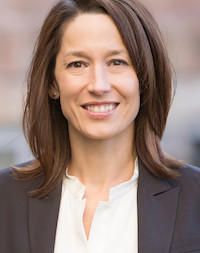
Dr. Christy Glass received her Master’s and PhD in Sociology from Yale University. Following her graduation, she began teaching at Utah State University in 2005. In 2016, she was named Researcher of the Year for the College of Humanities and Social Sciences. Glass primarily studies women in the workforce and their barriers toward promotion, as well as how mothers are perceived in a work environment.
Thank you, Christy for joining with CAPSA to make a difference.
Dr. Beth Foley is Dean of the College of Education and Human Services at Utah State University. She earned her bachelor’s, master’s and doctoral degrees in communication disorders from the University of Massachusetts at Amherst, and she began teaching at Utah State in 1993. She served as head of the Department of Communicative Disorders and Deaf Education from 2004 to 2009. She has also served in the community by aiding individuals with communication disorders at the Cache Employment and Training Center. Internationally, Foley has worked with children in a Mexican orphanage called Gabriel House.
Thank you, Beth for your work!
Learn about the role our board members play on our blog.
From now until December 11, Citizens Against Physical & Sexual Abuse is accepting gift donations for the women, children and men within shelter and transitional housing.
Desired items include: gloves, hats, ITunes gift cards, Google Play Cards, movies, makeup kits, perfume, cologne, hair straighteners, curling irons, stocking stuffers, family oriented board games, playing cards and puzzles.
In addition to gifts, individuals can donate wrapping paper, gift bags, bows and ribbons.
“Financial abuse is prevalent among the families we see,” Jill Anderson, CAPSA’s executive director said. “The mothers within shelter don’t have the means to provide presents for their children. They can’t be Santa for them, and that’s heartbreaking.”
For the past five years, Anderson has watched as women from shelter and the transitional housing program have been able to pick out presents for their children amongst the gifts donated to CAPSA.
“It’s empowering,” Anderson said. “Everything may not be going right for these families, but it’s a liberating feeling knowing your child will wake up Christmas morning and see that not only has Santa not forgotten about them, but neither has their mom.”
Along with Anderson, the women and children within shelter are thankful for the donations they receive.
When asked what they were grateful for, children within shelter said, “Nice people, food, clothes, shoes, a house, family and friends.”
A mother in shelter added, “Your donations are beyond our expectations. Your kindness is a godsend. Thank you.”
A longtime partner with CAPSA, Even Stevens is excited to give back to the community in this way. Logan restaurant manager, Acea Spencer said customers have already come in and expressed a desire to serve.
“I’ve seen parents come in and they tell me they’ll come back with their kids, so they can see them and understand the importance of giving, along with receiving,” Spencer said.
In an effort to encourage individuals to donate, Global Village Gifts will give 20% off one item from your purchase when you donate a gift to CAPSA.
“We really are grateful for the community’s support,” Anderson said. “Because of all of you, more than 200 families will have a Christmas this year.”
https://www.capsa.org/wp-content/uploads/2023/04/capsaLogo.png00Maddie Sotohttps://www.capsa.org/wp-content/uploads/2023/04/capsaLogo.pngMaddie Soto2017-11-22 11:41:182025-01-07 12:28:47Be Santa for CAPSA

 A client who recently escaped a very scary relationship approached CAPSA for help. CAPSA met with her via a telehealth like service; through this web tool, our expert caseworker was able to help with safety planning, complete a protective order and submit the protective order online.
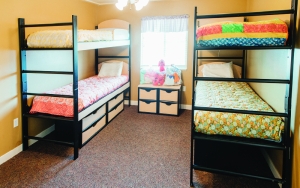 CAPSA’s emergency shelter is for individuals and families who become homeless to escape domestic violence. To increase social distancing and reduce shared spaces, CAPSA has changed our onsite shelter capacity and is utilizing hotels and other offsite shelter options – CAPSA continues our zero turn away policy to qualifying individuals.
 For the last year, CAPSA has supported a client with casework, court advocacy and clinical therapy services. She came to CAPSA because her husband was extremely emotionally and sexually abusive. COVID-19 has been extremely challenging because of the general anxiety and increased responsibilities of working from home, homeschooling and her ex-husband using the pandemic as a way to manipulate court ordered parent time.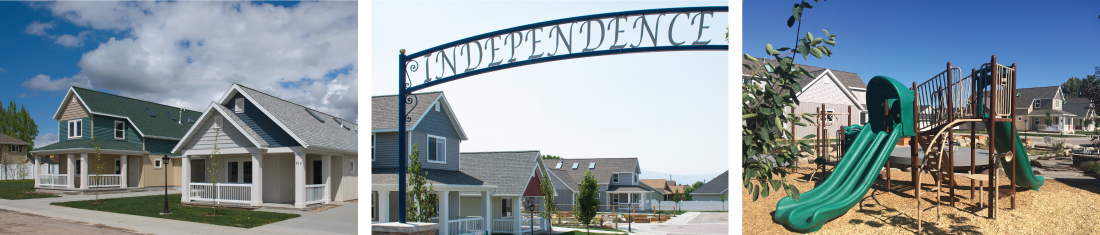


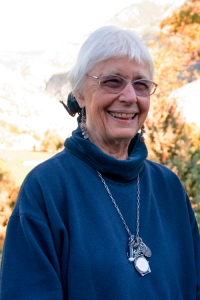 Jenny Box was one of the founders and a continued friend of CAPSA. CAPSA was founded after two high-profile rape cases occurred on Utah State University’s campus. A group of students, staff and community members (including Jenny) came together to create the Cache Valley Rape Crisis Team.
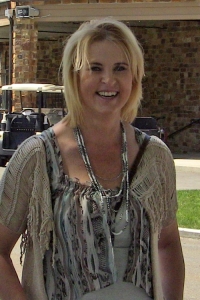 Jan Miller was the founder of Stander: Be Independent. As Stander’s “Fearless Leader”, Jan positioned Stander as the industry leader in accessibility products, but probably more important to her was Stander’s culture of doing what is right, creating partnerships, and helping others stand tall.
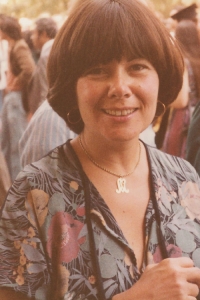 Mary gave her time, passion, and money to protect and empower individuals impacted by domestic violence and sexual abuse. CAPSA in many ways stands as a legacy of Mary’s work. Her influence is seen and felt throughout CAPSA.
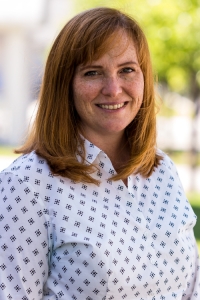 Jill Anderson is the current Executive Director of CAPSA and has started this role in 1997. Through Jill’s vision and inspired leadership, CAPSA has grown from a one-home shelter to a full organization providing comprehensive services that meet the complex needs of survivors. In addition to spearheading facility expansion, including building a new victim support center, shelter, and a transitional housing subdivision (Independence Place), a second neighborhood (Independence Way), Jill has enhanced programs and expanded the capacity of CAPSA to provide critical 24-hour services, shelter, therapy, and housing for survivors. Over 300 men, women, and children find safety in CAPSA’s shelter each year and over 1,500 others receive advocacy, therapy, and support services.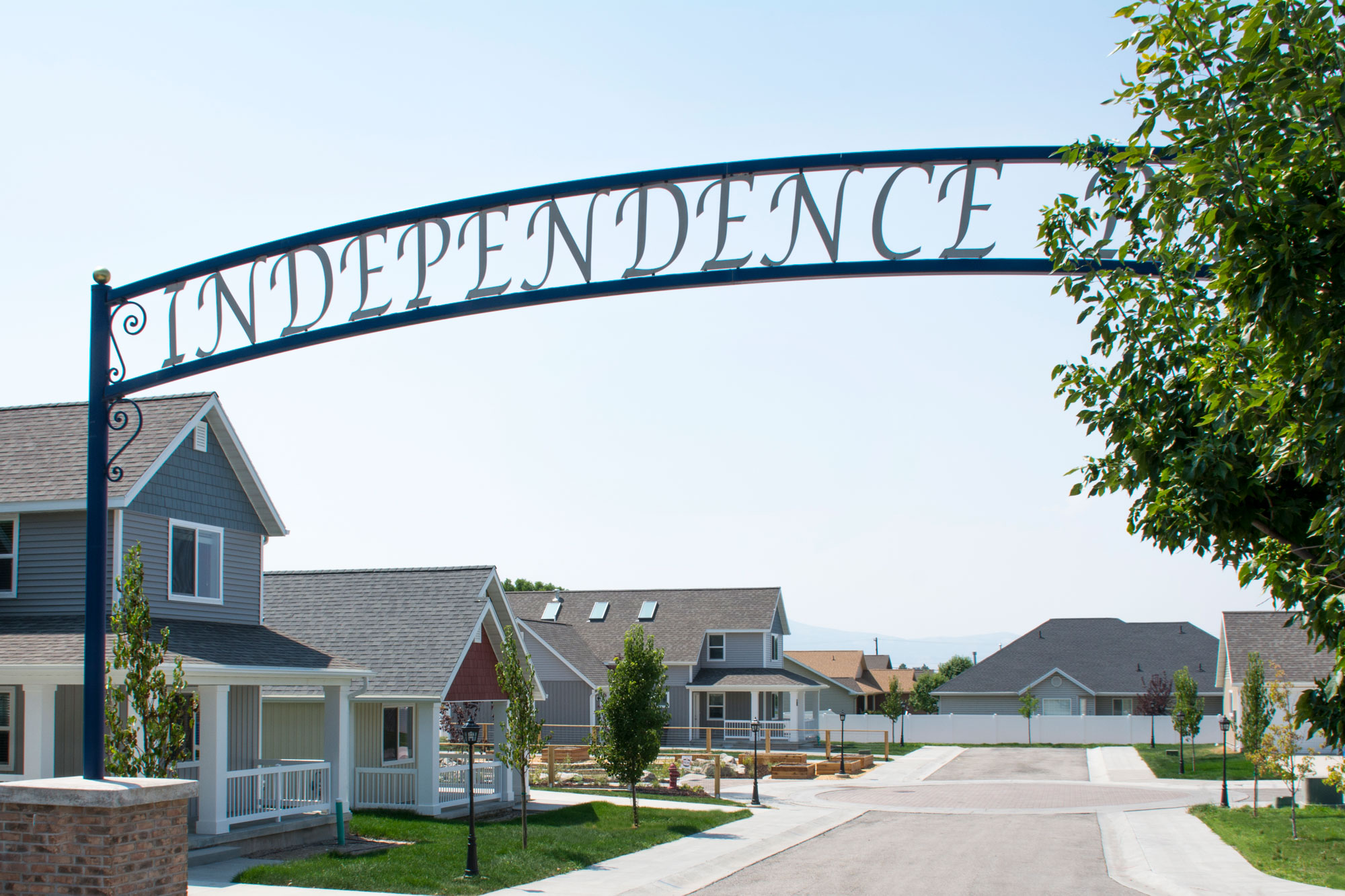

 Dr. Christy Glass received her Master’s and PhD in Sociology from Yale University. Following her graduation, she began teaching at Utah State University in 2005. In 2016, she was named